Ranking higher on Google Maps is not about one trick. Google decides which businesses to show for a local search using three factors it states openly — relevance, distance and prominence — and everything you can actually do falls under one of them. This guide explains what each factor means, which of them you control, and the practical steps that move a business up in the map results and the local pack, the box of three businesses that appears above the normal links.
How Google ranks local results
According to Google's own documentation on local ranking, results are ordered by a combination of relevance, distance and prominence. Relevance is how well your business matches what the person searched for. Distance is how far you are from the place they searched from, or from the place named in the search. Prominence is how well known and trusted your business is, based on information Google has about it from across the web.
You cannot change where a customer is standing, so distance is largely fixed. But relevance and prominence are both things you build, and most businesses leave a lot of easy wins on the table in both. The rest of this article is about those two.
Your Google Business Profile is the foundation
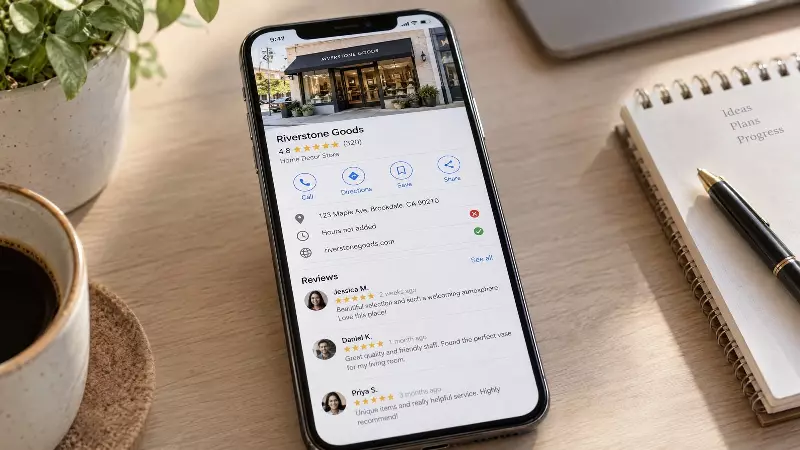
Everything on the map starts with your Google Business Profile — the free listing that controls your pin, your business card in search, and your eligibility for the local pack. If it is incomplete or unverified, no amount of other work will help. We cover setting it up correctly, step by step, in How to Get on Google Maps: Step-by-Step Google Business Profile Guide. The ranking essentials are these:
- Verify the profile. An unverified listing rarely ranks. Complete whichever verification Google offers you — video, postcard or phone.
- Choose the most specific primary category. "Italian restaurant" beats "restaurant"; "web design agency" beats "advertising agency". The primary category carries far more weight than the secondary ones.
- Fill in every field. Hours, phone, website, services, products, attributes, opening date. A complete profile is read by Google as a more trustworthy one.
- Keep the name honest. Stuffing keywords into your business name ("Joe's Plumbing Marbella Cheap Emergency") is against Google's guidelines and can get the listing suspended. Use your real name.
Relevance: matching what people search for
Relevance is where your own content does the work. Google reads your profile, your website and other sources to understand what you do and where. To improve it:
- Describe your services in full on your profile and your site. If you offer something, it should be written in plain words somewhere Google can read it. A service nobody has described cannot rank.
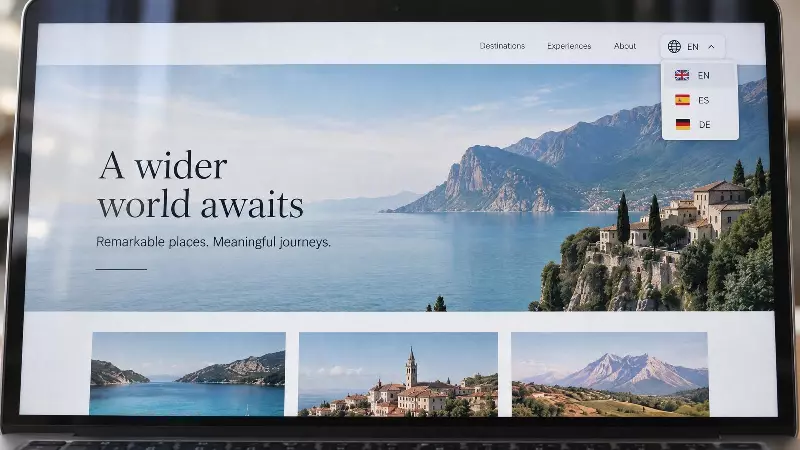
- Match the language your customers use. In a place like the Costa del Sol, people search in several languages. If your customers search in Spanish and in English, your profile and site should answer in both.
- Have a real website, linked from the profile. The site gives Google far more to read about you than the profile alone, and it is one of the strongest relevance signals. A business with a clear, well-structured website is easier for Google to understand and rank.
Prominence: becoming the business Google trusts
Prominence is reputation, measured by signals from across the web. The three that matter most for a small business are reviews, citations and links.
Reviews
Google has confirmed that review count and review score factor into local ranking. More reviews, and better ones, help — but the honest, durable way to get them is to ask every satisfied customer, simply and consistently. Respond to reviews, including the negative ones, because Google values an active profile and customers read the replies. Never buy fake reviews: Google detects and removes them, and the penalty is worse than the problem.
Citations
A citation is any mention of your business name, address and phone number on another website — directories, industry listings, local chambers, press. Google uses these to confirm you are a real, consistent business. The key word is consistent: the exact same name, address and phone across every listing. Inconsistent details (one address with "Street", another with "St.") weaken the signal. Fixing citation consistency is one of the most underrated local-SEO tasks.
Links
Links from other reputable local sites — a local news site, a partner, a supplier, an association — raise prominence just as they do in normal search. A handful of genuine local links is worth more than any number of low-quality ones.
What does not work (and can hurt)
- Keyword-stuffing your business name — against the rules, risks suspension.
- Fake reviews — detected and removed, and damaging to trust.
- A fake or virtual address you do not operate from — a common cause of suspension.
- Creating duplicate listings — they compete with each other and confuse Google.
A practical order of work
- Verify and complete the Google Business Profile — category, every field, honest name.
- Fix citation consistency — same name, address and phone everywhere it appears.
- Build a steady flow of reviews — ask every happy customer, reply to all.
- Make the website match — clear services, the right languages, linked from the profile.
- Earn a few local links — partners, associations, local press.
- Keep it active — posts, photos, updated hours. A living profile outranks a dormant one.
Frequently asked questions
How long does it take to rank on Google Maps?
A new or newly verified profile usually needs a few weeks to settle, and competitive areas take longer. Reviews and citations build their effect over months, not days.
Why am I not in the local pack?
The most common reasons are an unverified or incomplete profile, too few reviews compared with competitors, inconsistent citations, or simply being further from the searcher than the businesses shown.
Do I need a website to rank on Google Maps?
You can appear without one, but a website is a strong relevance and prominence signal, and businesses with a good site generally rank better and convert more of the people who find them.
Does posting on my profile help?
Posts do not directly boost ranking, but they keep the profile active and give customers reasons to choose you, which indirectly supports both prominence and clicks.
WebVisa sets up and optimises Google Business Profiles, fixes citation consistency and builds websites that give Google the relevance signals it needs. We work remotely with businesses anywhere, and know the multilingual Costa del Sol market well.
If you want your business to show up when local customers search, this is the groundwork. We offer this as part of our local SEO and Google Business Profile service, alongside website design and multilingual SEO. Get in touch and we will review your current visibility and tell you where the quickest gains are.