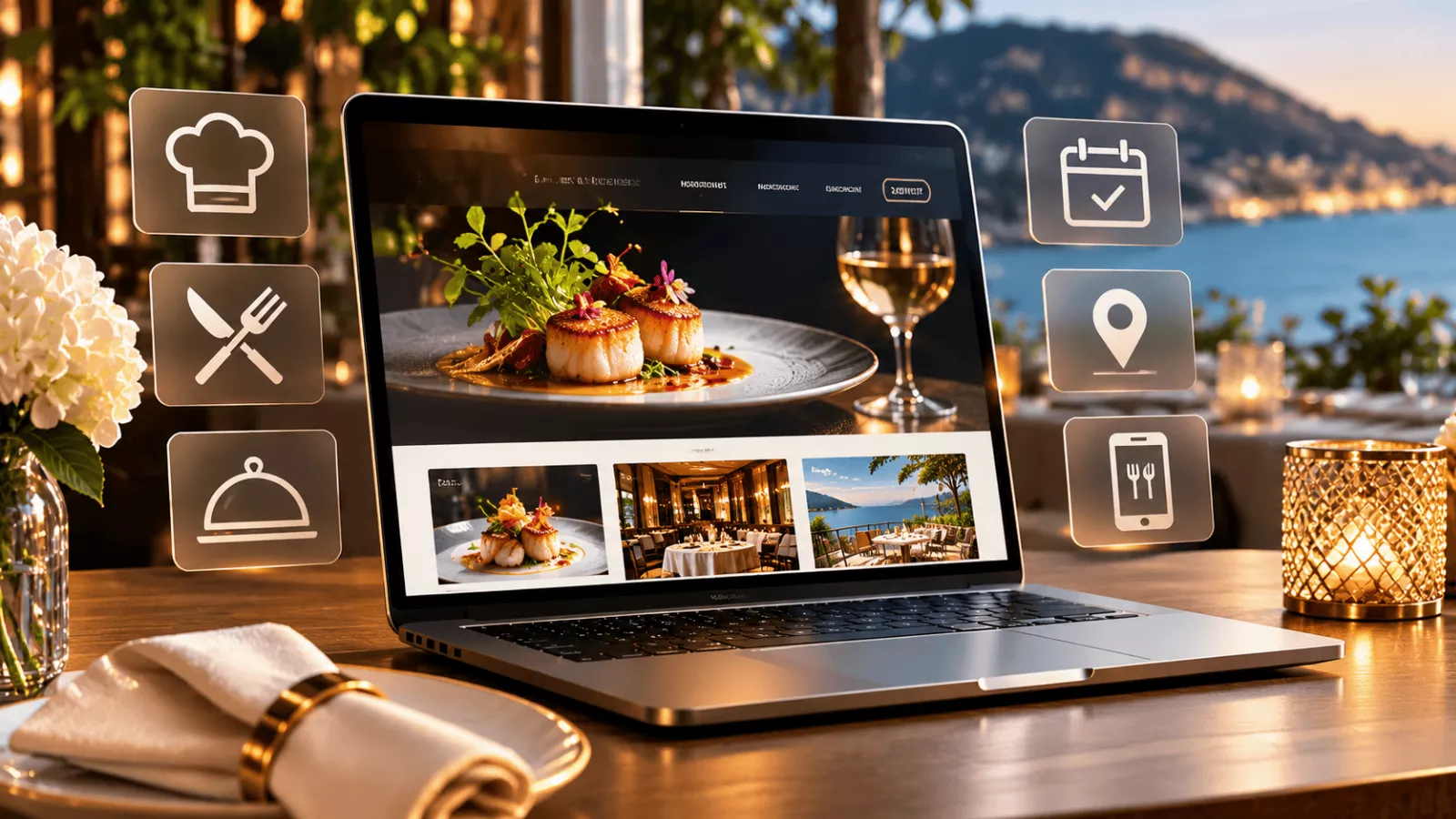
If you run a restaurant, café or bar on the Costa del Sol, your guests decide whether to visit long before they reach your door — and they decide on their phones. A restaurant website is where that decision is won or lost. According to TouchBistro's 2024 Diner Trends Report, 85% of diners look at the menu online before choosing a new restaurant and 80% check the restaurant's website first. If you do not own that first impression, a delivery app or a third-party listing owns it for you.
This guide explains why a restaurant still needs its own site in the age of Google and Instagram, and exactly what that site must include to turn a curious search into a booked table. Good restaurant web design is not decoration — it is the difference between a full dining room and an empty one.
Why a restaurant still needs its own website
Instagram, Google Maps and delivery platforms are useful, but they are rented ground. You control none of them, and each one takes something from you in return. Your own website is the only place online that you actually own.
You keep your bookings and your data. When a guest reserves through your own site, you own the contact details, the booking history and the relationship. When they book through a third-party platform, that platform owns the customer — and often charges a per-cover fee or a commission for the privilege. TouchBistro found that in 2023 one in three diners (33%) used third-party reservation platforms, up from 25% a year earlier, while 48% said they prefer to book directly on the restaurant's own website. The demand for direct booking is there; you simply need to offer it.
You stop handing over a commission on every order. Delivery marketplaces can take a large slice of each order's value. A website with your own ordering or booking flow does not make those platforms disappear, but it gives regulars a reason to come to you directly, where the margin stays in the kitchen instead of leaving with the app.
You show up on Google on your terms. 86% of diners use online research to find new restaurants, per BentoBox's 2023 Diner Journey Report, and 64% run a Google search before deciding (TouchBistro, 2024). A proper website, linked to your Google Business Profile, is what lets Google understand who you are, show your menu and hours, and send those searchers to you rather than to a competitor down the street.
The essentials every restaurant website needs
A restaurant site does not need to be large. It needs to do a small number of jobs extremely well, on a phone, in a few seconds. Here is the checklist.
A clear, mobile-friendly menu — HTML, not a PDF
The menu is the single most-viewed page on any restaurant site. With 85% of diners reading it online before they visit (TouchBistro, 2024), it has to be effortless on a phone. The most common mistake is uploading the menu as a PDF. A PDF forces guests to pinch, zoom and scroll sideways; it loads slowly on mobile data; and search engines read it poorly, so your dishes never surface in search.
A menu built as a real HTML page solves all three problems: it reflows to fit any screen, it loads in a fraction of the time, and Google can index every dish — which is exactly how you appear when someone searches "paella in Marbella" or "brunch near me". Keep prices visible and the menu current; pricing is one of the details guests most want to see before they commit.
COMMON MISTAKE
A PDF menu is the number-one reason a restaurant site feels broken on a phone. If a guest has to zoom to read your starters, you have already lost part of the table.
Online reservations and booking
A table booking should take three taps, not a phone call during the lunch rush. Offer a booking widget or form directly on the site so a guest can reserve at the moment they decide — including evenings and Sundays when nobody is free to answer the phone. Because 48% of diners prefer to book on the restaurant's own website (TouchBistro, 2024), a direct booking tool captures demand you would otherwise hand to a commission-charging platform.
TIP
Confirm every booking by email or WhatsApp and collect the guest's consent to contact them again. That first-party guest list is the cheapest, highest-return marketing channel you will ever own.
Multilingual pages for international and tourist guests
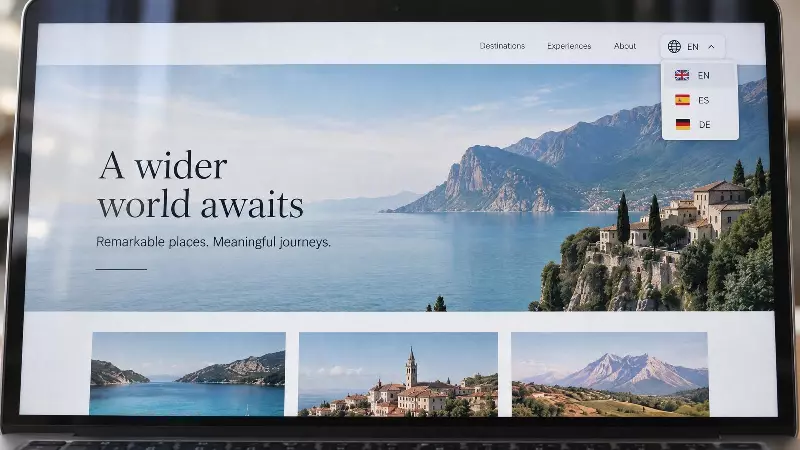
On the Costa del Sol this is not a nice-to-have — it is the business. The region welcomed a record 14.47 million visitors in 2024, with Málaga-Costa del Sol airport handling 12.4 million passengers, according to Costa del Sol Tourism data. Your guests are British, German, Dutch, Scandinavian, Russian-speaking and, increasingly, American. People read, trust and buy in their own language: a landmark CSA Research study (2020) found 76% of online shoppers prefer to buy in their native language and 40% will not buy from a site in another language.
At a minimum, serve English and Spanish; on much of the coast, adding Russian and one or two more languages captures a large, high-spending audience your neighbours ignore. Each language should be a properly indexed page — not a browser auto-translate button — so it ranks in that language's search results and reads like it was written by a local.
Local SEO and your Google Business Profile
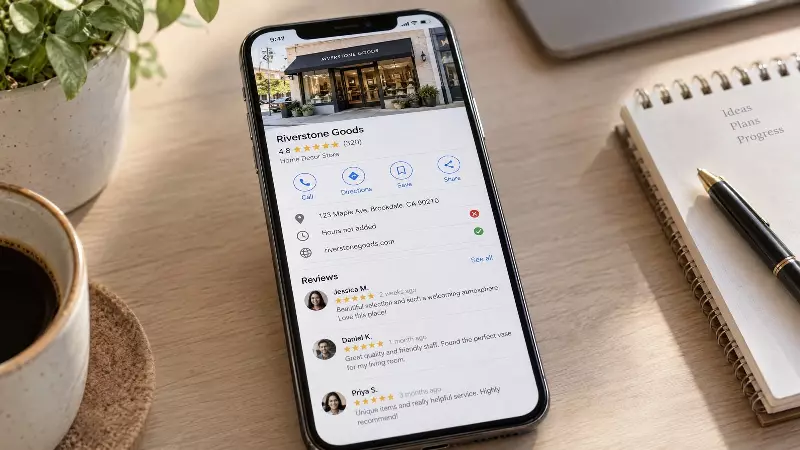
Most restaurant discovery happens in Google's local results and on Google Maps — BentoBox found Google Maps is the single most-used source for finding restaurants, at 40%. Your website and your Google Business Profile work as a pair: the profile puts you on the map with photos, hours and reviews, and the website gives Google the depth it needs to trust and rank you.
We cover the practical steps in two companion guides — how to get your business on Google Maps and how to rank higher on Google Maps. For the ongoing work of winning local searches month after month, see our local SEO services.
Great photos, fast loading and the practical details
Diners eat with their eyes first. 75% are more likely to choose a restaurant with a high-quality website over one with a poor site (BentoBox, 2023), and strong food and interior photography is the biggest reason why. Invest in real photographs of your actual dishes and dining room, not stock images of food you do not serve.
Those photos must not slow the site down. Speed is money: Portent's 2022 research found that conversion rates peak when a page loads in one to two seconds and fall with roughly every additional second. On a phone over mobile data, an unoptimised photo gallery can cost you the booking before the page even appears. A well-built site compresses its images and loads fast on mobile by default.
Finally, the basics that guests expect to find in seconds: your address with an embedded map, a click-to-call phone number, accurate opening hours, and links to your social accounts. Miss any one of these and you create friction at the exact moment a hungry guest is ready to act.
Legal and cookie pages
In Spain and across the EU a business website needs a privacy policy, a cookie banner with genuine consent, and the legal company identification ("aviso legal") required under Spanish LSSI-CE rules. These pages are not optional, and they protect you as much as the visitor. A professional build includes them from day one rather than leaving you exposed.
What a restaurant website costs
You do not need a five-figure project to get this right. At WebVisa we build fast, multilingual restaurant websites designed around bookings and local search: landing pages start from €300 and full websites from €1,000. Every site is mobile-first, multilingual and connected to your Google Business Profile — see our web design services and our dedicated web design on the Costa del Sol.
Frequently asked questions
Do I still need a website if I already have Instagram and a Google listing?
Yes. Instagram and Google are discovery channels you rent, not own; they can change their rules or disappear overnight. Your website is the one place that holds your full menu, takes commission-free bookings and feeds Google the information it needs to rank you. The social profiles should point to it, not replace it.
Is a PDF menu really that bad?
For a phone, yes. A PDF forces pinching and zooming, loads slowly on mobile data and is barely readable by search engines, so your dishes never appear in search. An HTML menu reflows to the screen, loads quickly and gets indexed dish by dish.
How many languages should my restaurant site have on the Costa del Sol?
English and Spanish at a minimum. Given the coast's mix of visitors, adding Russian and often German is well worth it — 76% of people prefer to buy in their own language (CSA Research, 2020). Each language should be a real indexed page, not an auto-translate button.
Will a website really reduce my booking and delivery commissions?
It gives you a commission-free alternative. With 48% of diners preferring to book on the restaurant's own site (TouchBistro, 2024), a direct booking tool lets regulars reserve without a third party taking a cut. You will not drop the platforms entirely, but every direct booking is margin you keep.
How long does it take to build a restaurant website?
A focused landing page can be ready in days; a full multilingual site with menu, booking and legal pages typically takes two to four weeks, depending on content and photography. Having your menu text and photos ready speeds it up considerably.
Your next guest is on their phone right now, comparing your menu with the restaurant next door. Make sure what they find is yours — fast, multilingual and ready to book. Get in touch with WebVisa and we will build a restaurant website that fills tables.
Sources
- TouchBistro — 2024 American Diner Trends Report (2024, survey 2023)
- BentoBox — 2023 Diner Journey Report (2023)
- CSA Research — Can't Read, Won't Buy: Consumers Prefer their Own Language (2020)
- Portent — Site Speed is (Still) Impacting Your Conversion Rate (2022)
- Luxurious Magazine / Costa del Sol Tourism — Record Visitor Numbers for Costa del Sol in 2024 (2025)